
Die-Cast Aluminum Housings: The Less Obvious Mechanical Decisions That Create Late Problems
- May 11
- 1 min read
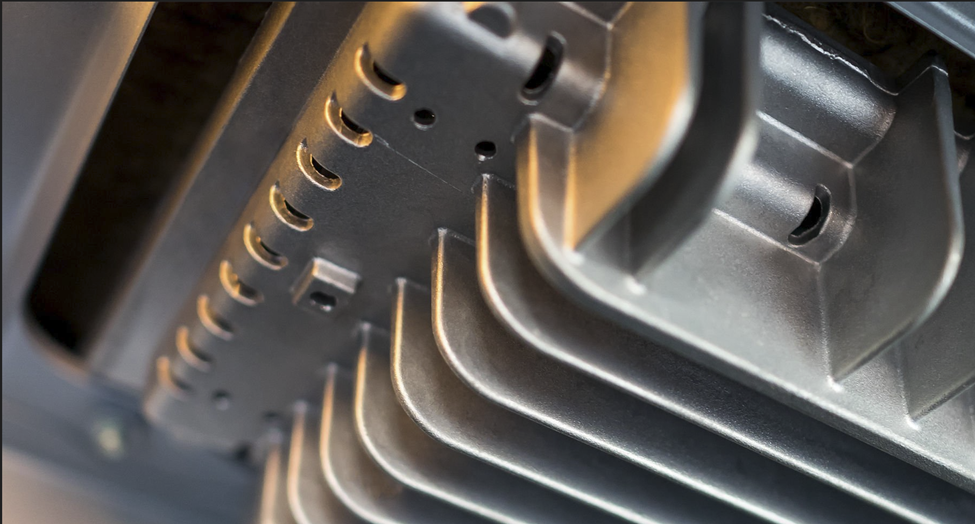
Some design considerations in die-cast aluminum housings are discussed early and often.
Others tend to get less attention, even though they can create bigger mechanical problems later in builds, validation, or production.
Common considerations usually include:
Wall thickness, ribs, and bossesDraft and as-cast limitationsWhich surfaces need machining for mounting, sealing, or alignment
Even those common considerations are not always simple.
Draft, for example, is not one fixed rule. Many aluminum die-cast features may start around 1 to 2°, but deeper or internal geometry often needs more. Internal and external draft are also not usually treated the same, because inside features tend to need more draft than outside surfaces.
Wall thickness is similar. It usually works better when it prioritizes section consistency and smooth transitions, rather than one fixed minimum value.
The less obvious mechanical considerations are often the ones that create later problems:
Datum strategy after casting and machiningClamp load distribution across the jointDistortion caused by machining, preload, or assembly sequence
That is often where a housing that looks mature in CAD begins to show problems later in builds, validation, or production.
A die-cast housing is not just about creating the shape.
It is about making sure the part remains robust after casting, machining, fastening, and assembly, while still meeting its functional requirements.
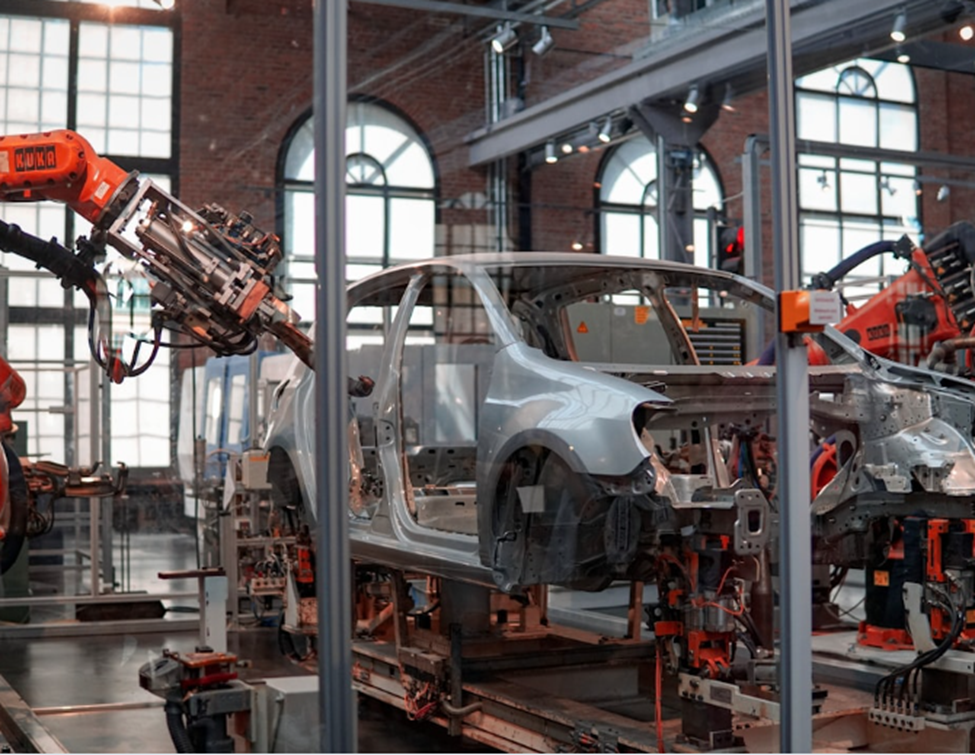
That is why good housing design reviews should go beyond geometry and ask how the part will behave through the full manufacturing and assembly chain.
If your team needs US-based support with production-ready mechanical design, packaging, or interface-driven components, that is exactly the kind of work we help with at ABAL Mechanical Design.


Comments